Local Service, Global Capabilities.
Local Service, Global Capabilities.
Precision investment casting, CNC machining and engineered stainless steel products for industrial, marine, architectural and equipment applications.
AODSON manufactures stainless steel and high-alloy components across industrial, marine, architectural and equipment applications, with flexible support from prototype to volume production.
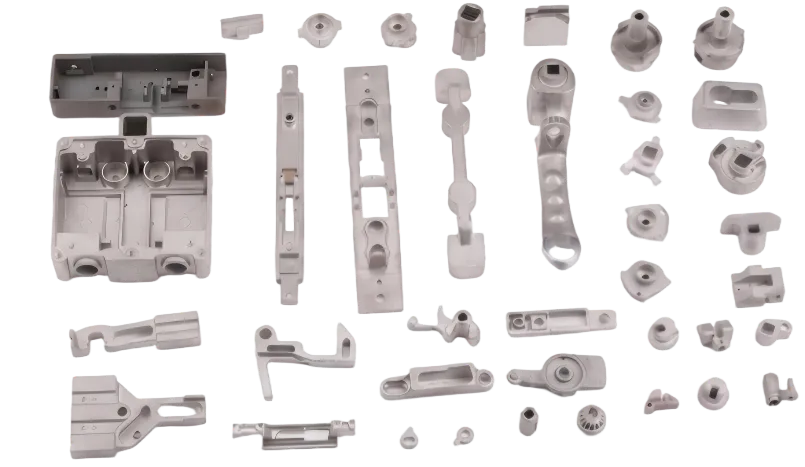 Core Process
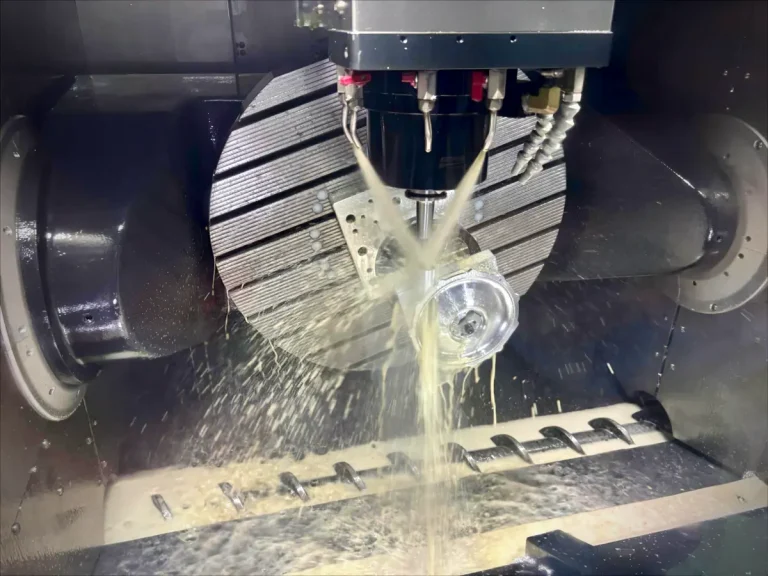 Precision Process
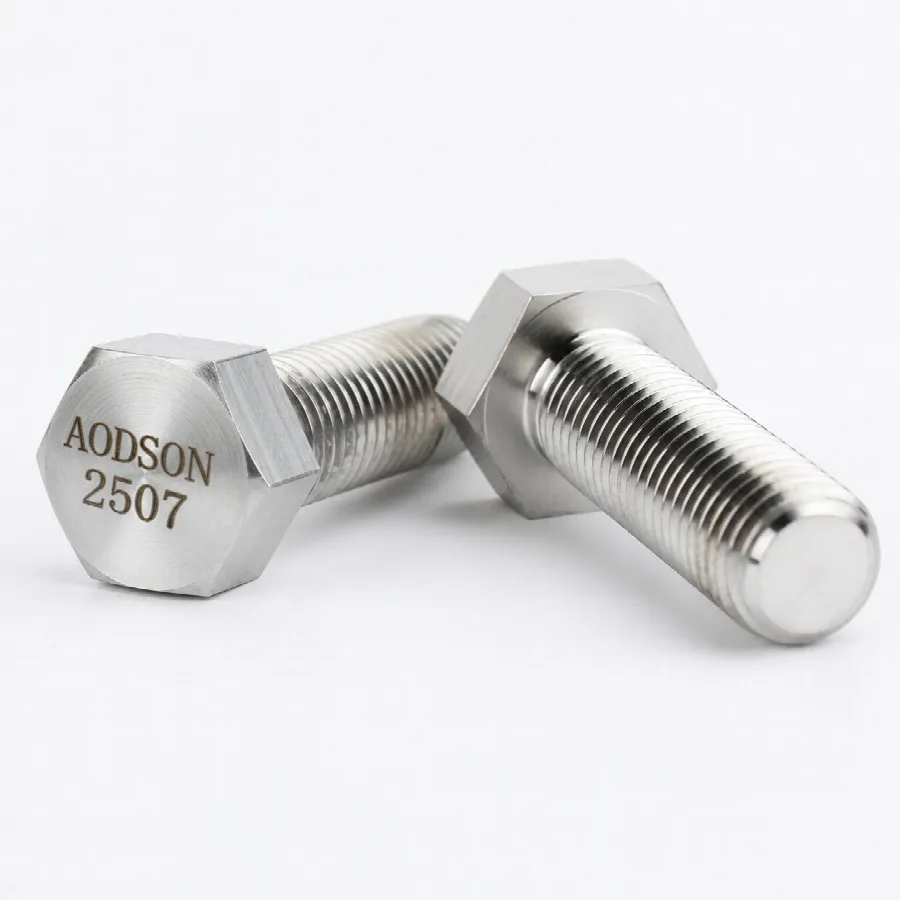 Industrial Products
 Marine Applications
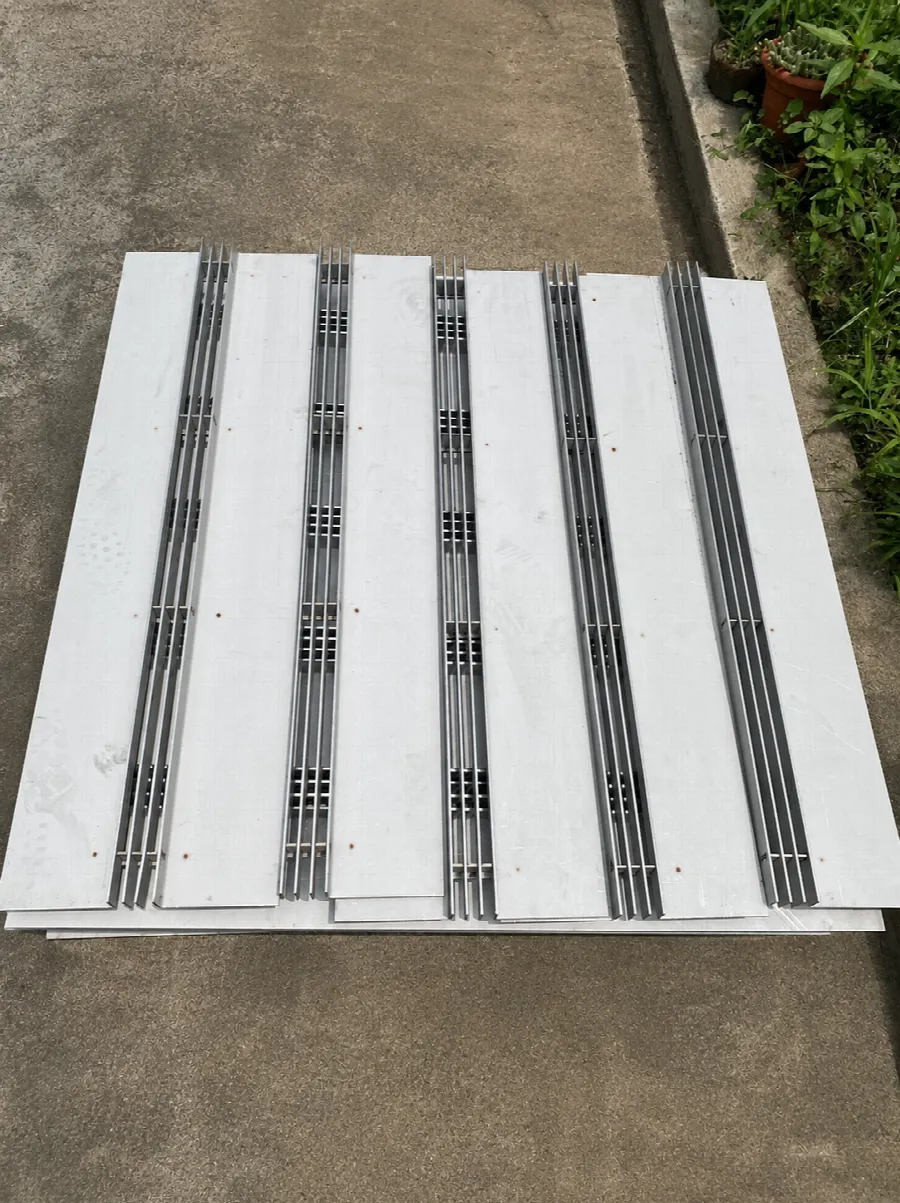 Built Environment
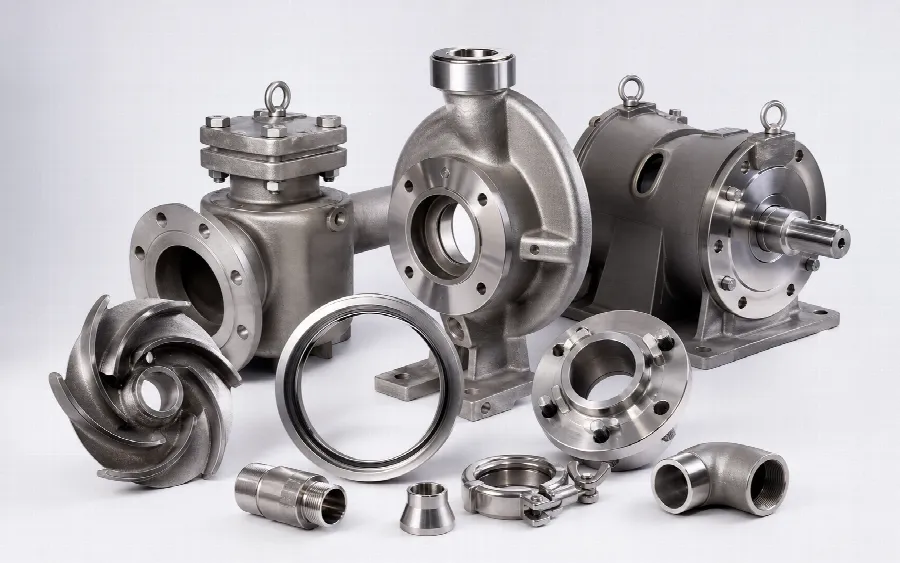 Flow Equipment
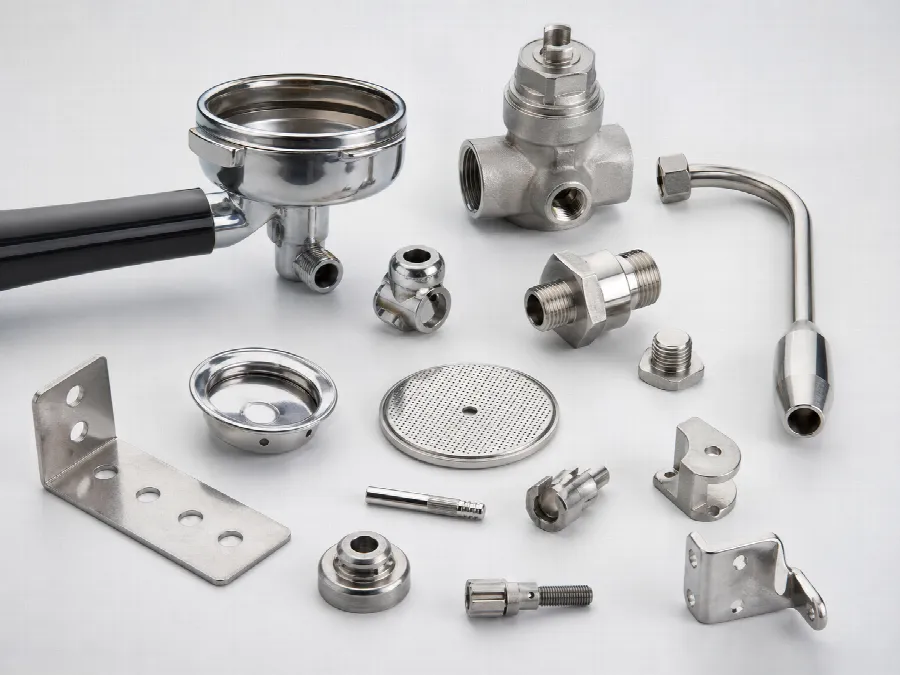 Commercial Equipment
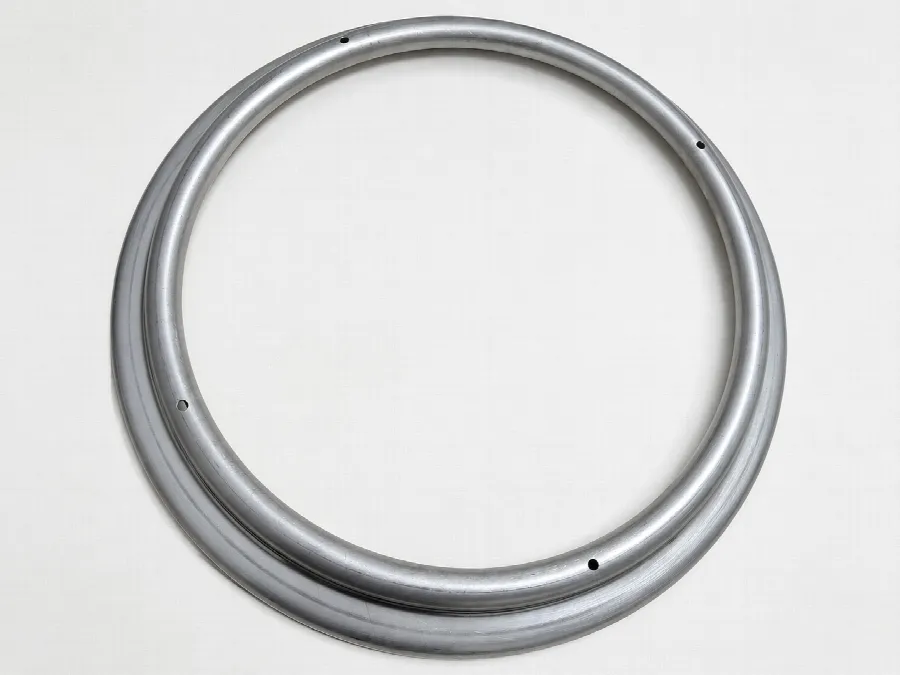 Formed Components
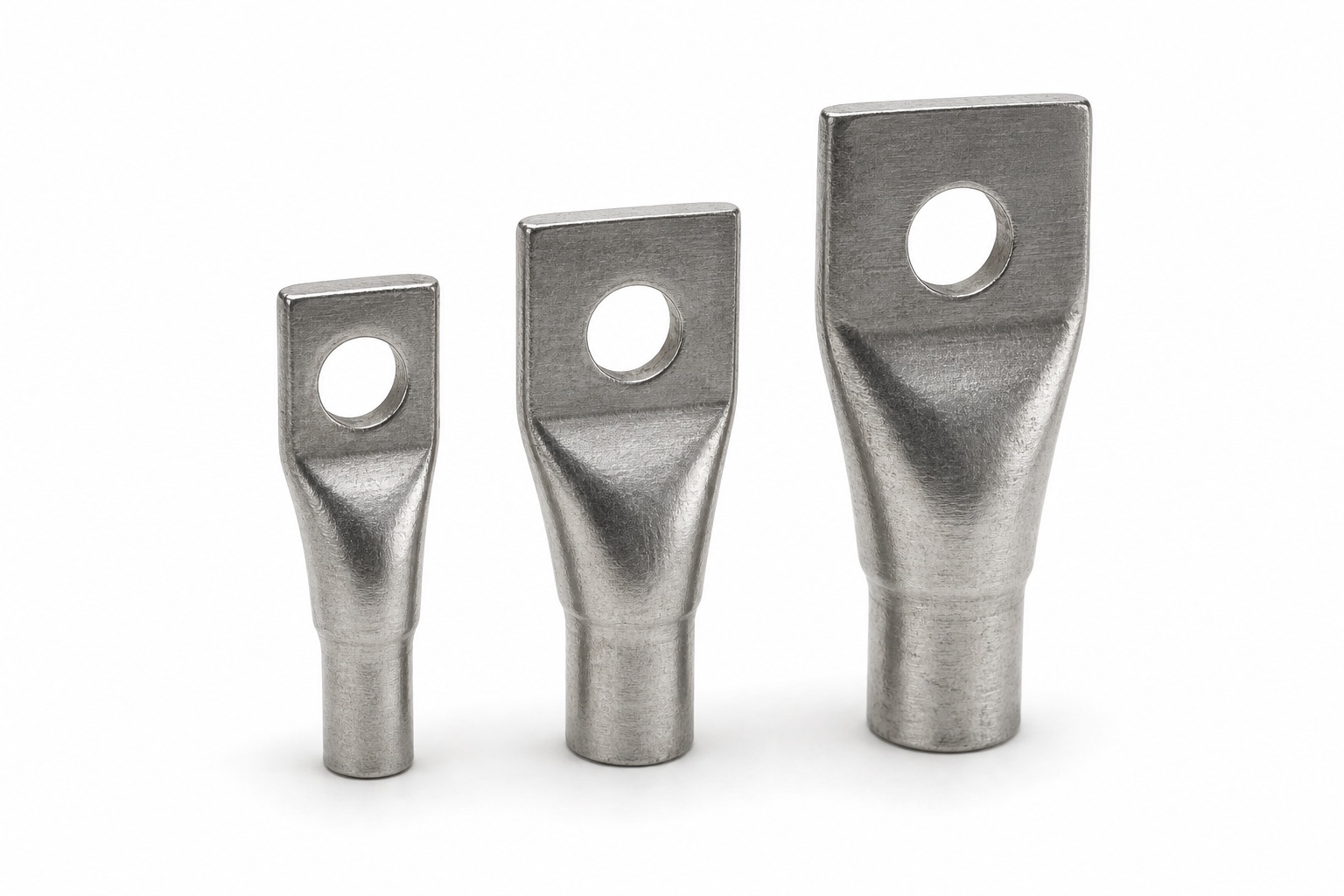 Lifting & Connection
 Custom Programs
Need a component outside these categories? Our engineering team supports drawing-based custom manufacturing.
View All ProductsFrom precision investment casting to CNC machining and final inspection, our integrated manufacturing facility is equipped to deliver high-quality metal components with consistency, traceability, and reliable lead times.
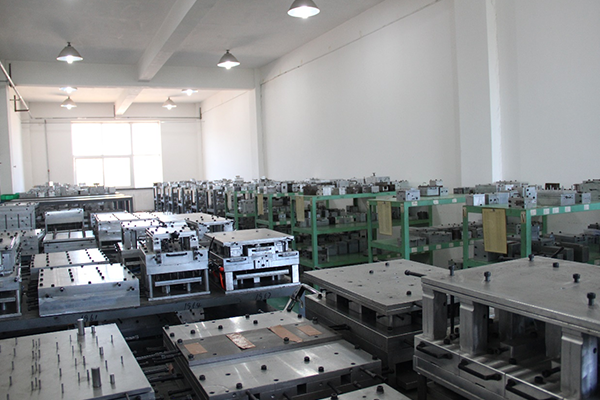
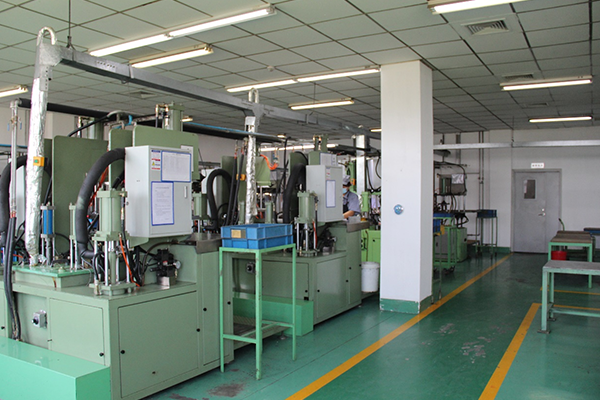
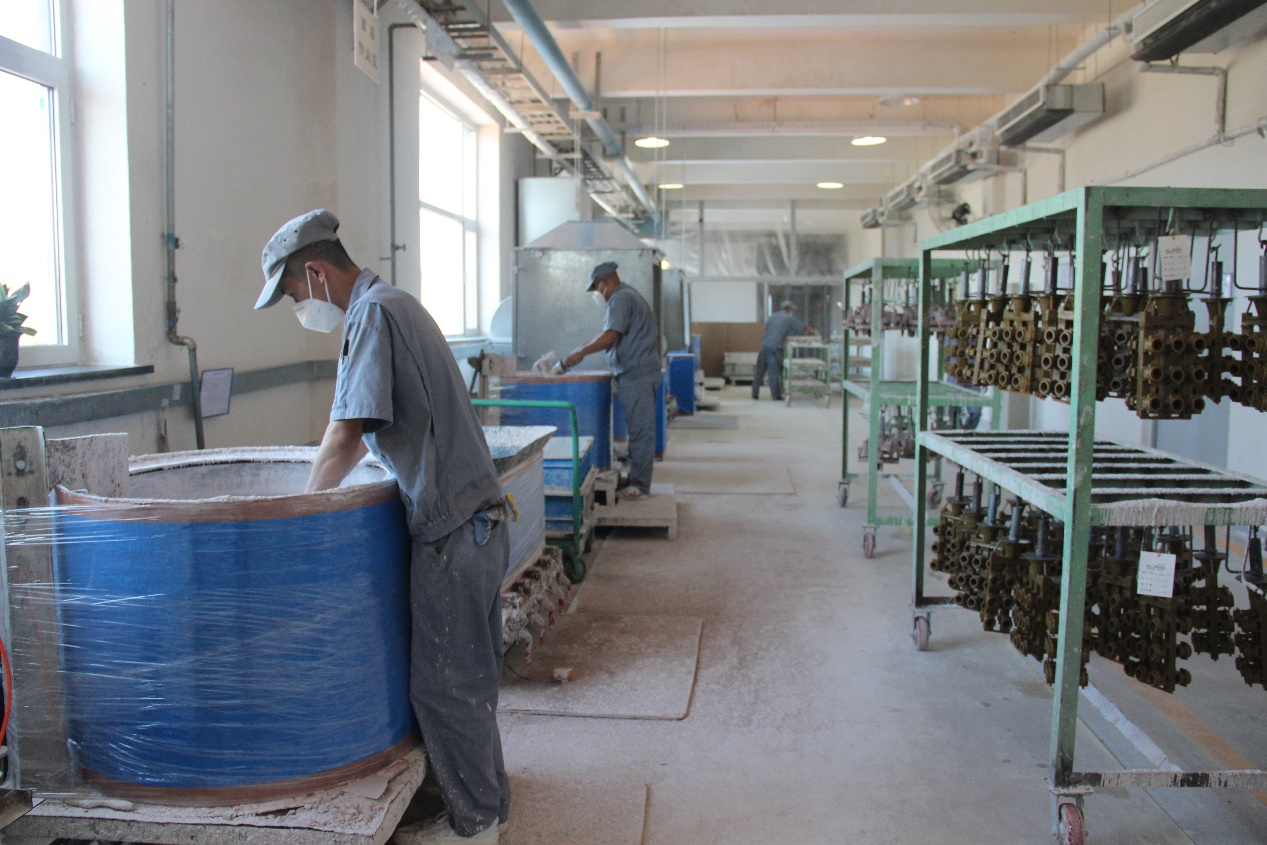
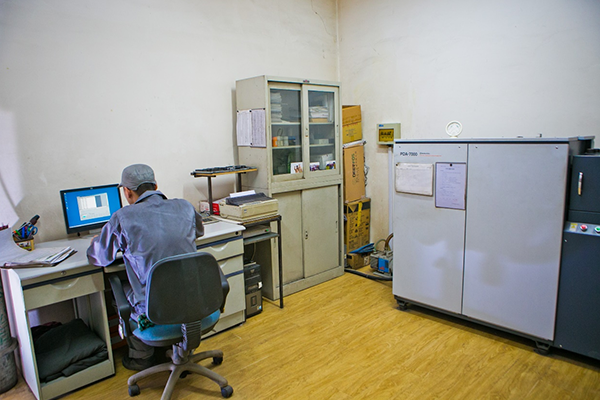
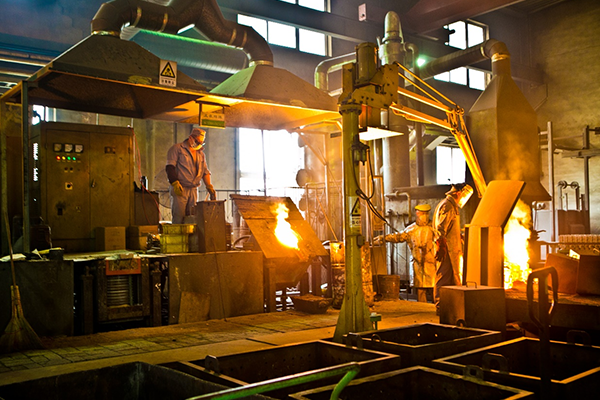
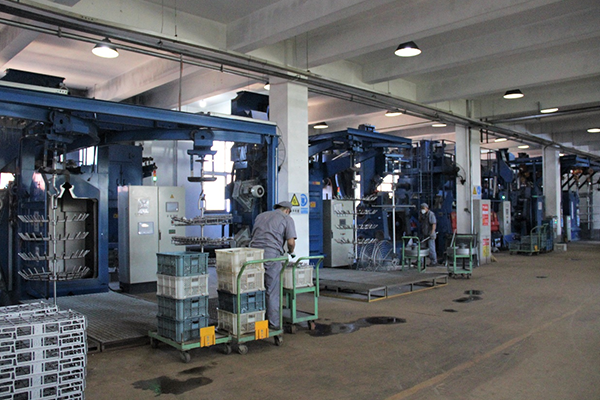
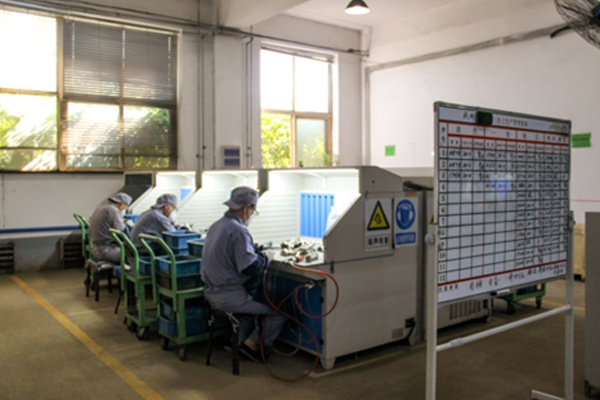
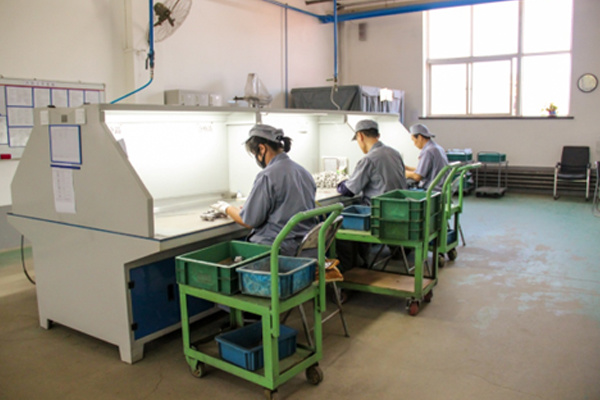
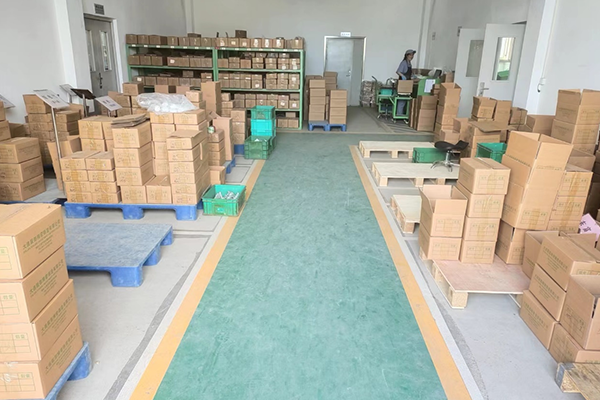
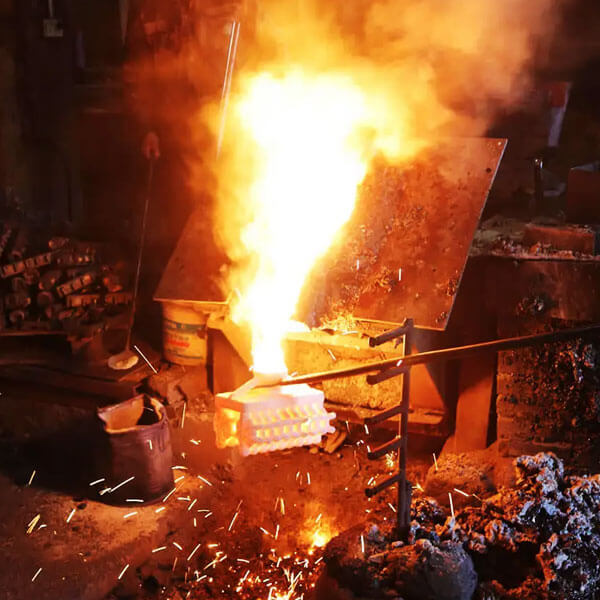
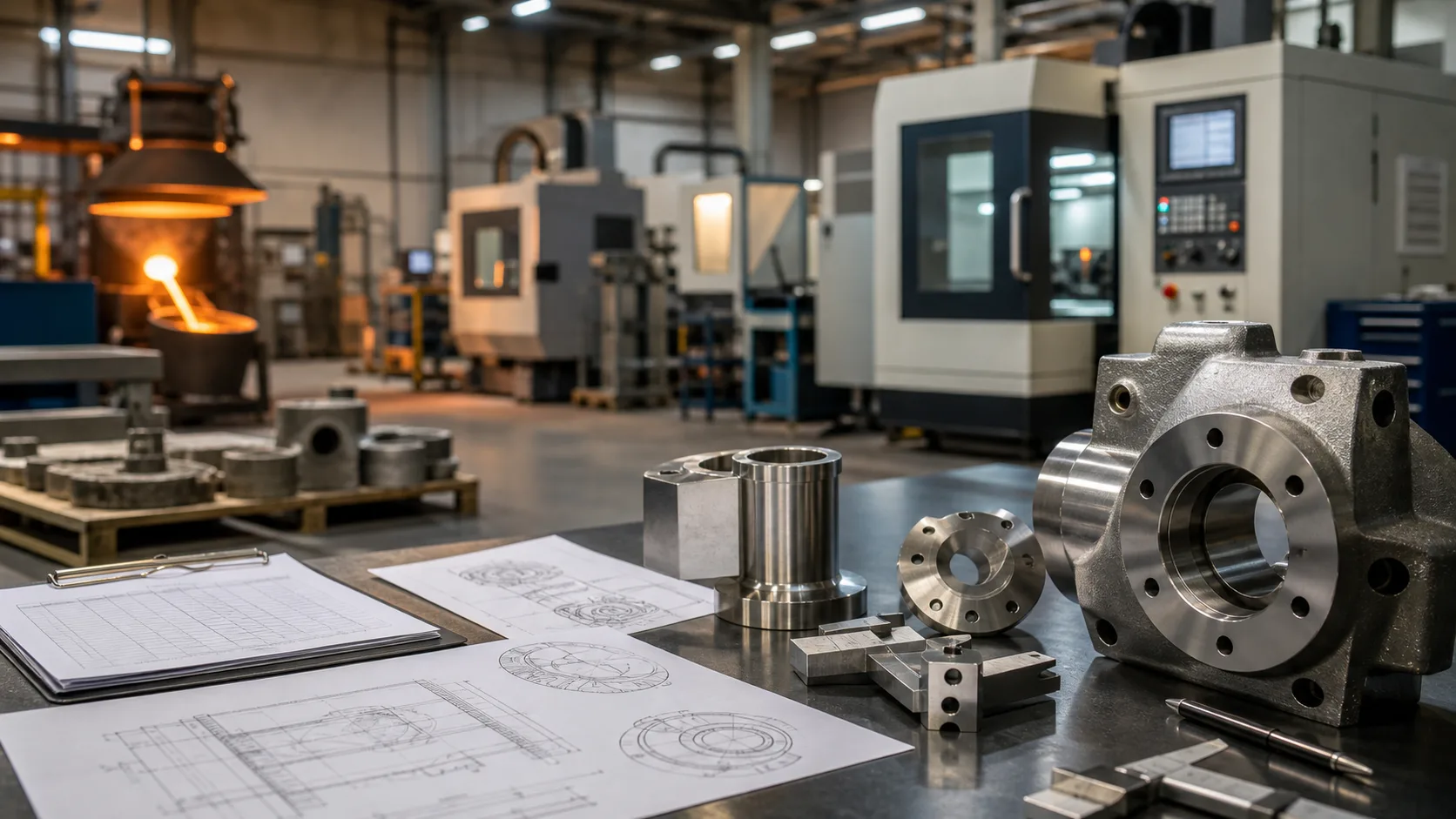
Aodson specializes in precision investment castings for demanding industrial applications. From stainless steel and carbon steel to duplex stainless steels and specialty alloys, we combine advanced casting technology, CNC machining, and rigorous quality control to deliver reliable OEM components with exceptional precision, durability, and consistency.
View Casting CapabilitiesFrom precision castings to fully machined finished parts, Aodson offers a complete manufacturing solution under one roof.
By combining investment casting, CNC machining, and rigorous quality control, we help customers reduce supply chain complexity while ensuring consistent quality and reliable delivery.
Explore CNC Machining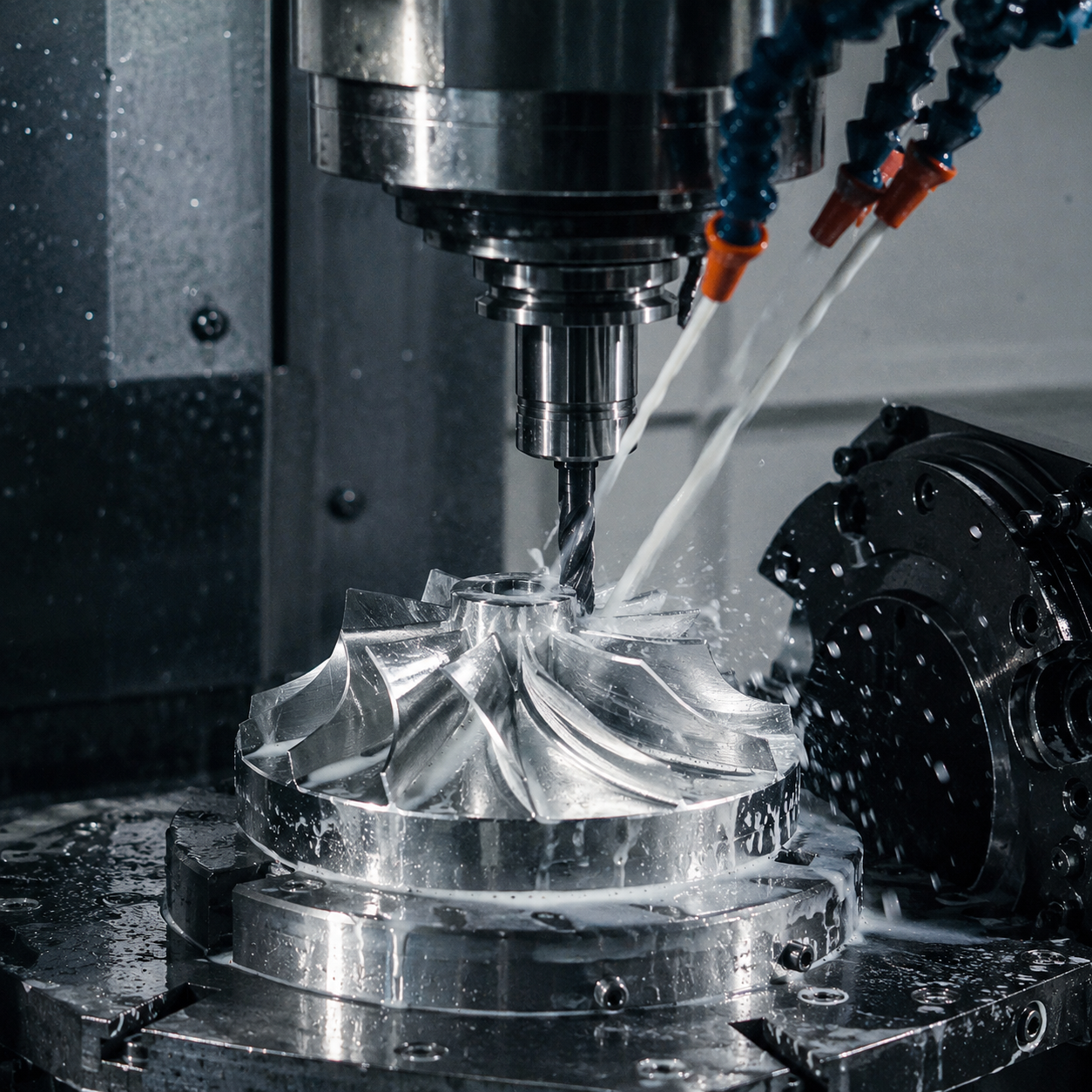
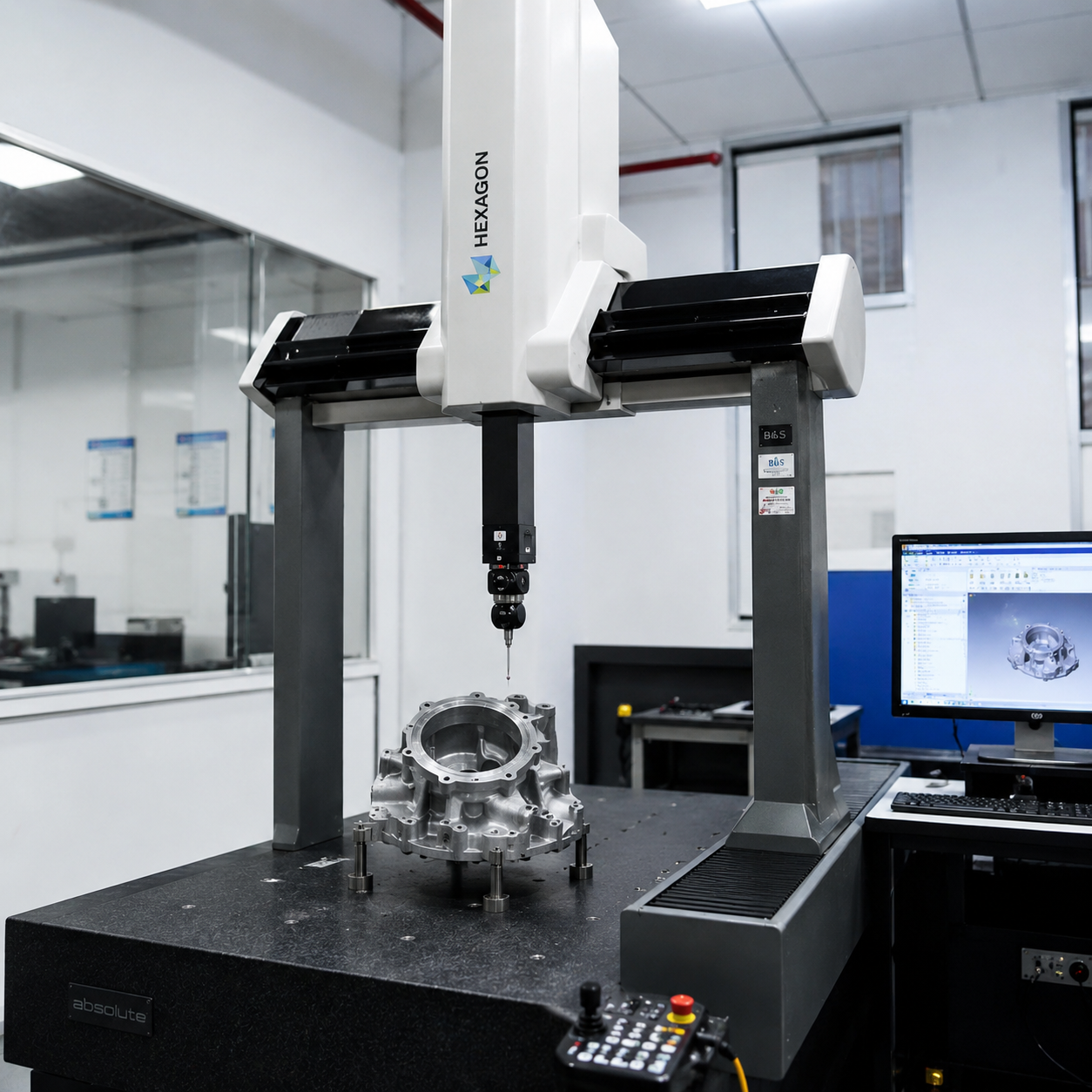
Quality is at the core of everything we do. With advanced inspection equipment, strict process controls, and comprehensive documentation, Aodson ensures every component meets the highest standards of accuracy, consistency, and reliability.
From material verification and dimensional inspection to final quality approval, we provide the confidence and traceability required for demanding industrial applications worldwide.
View Quality ControlDiscover technical insights, manufacturing expertise, material selection guides, and industry updates to help you make informed engineering and sourcing decisions.
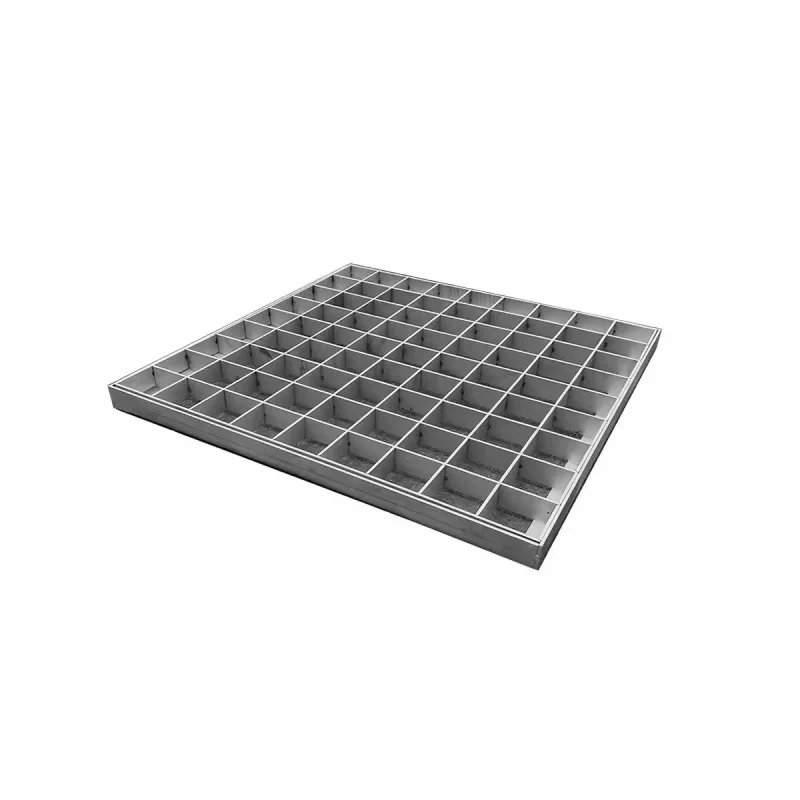
Learn how bearing-bar direction, clear span, wheel loads, frame seating and open area influence stainless steel drain grating selection.
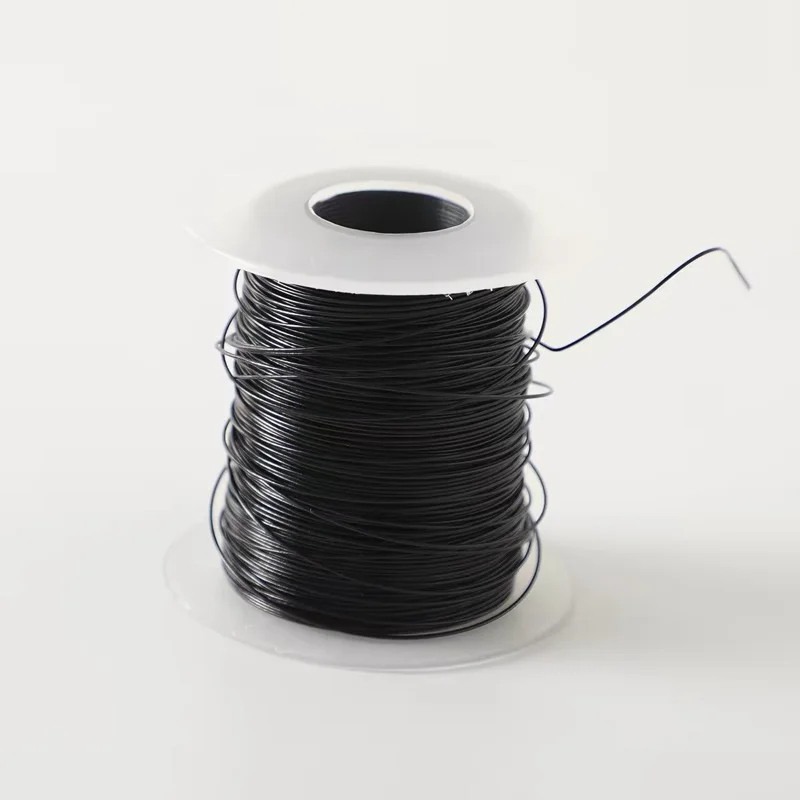
Understand core versus coated cable diameter, termination compatibility, tension geometry and RFQ requirements for stainless steel wire rope.
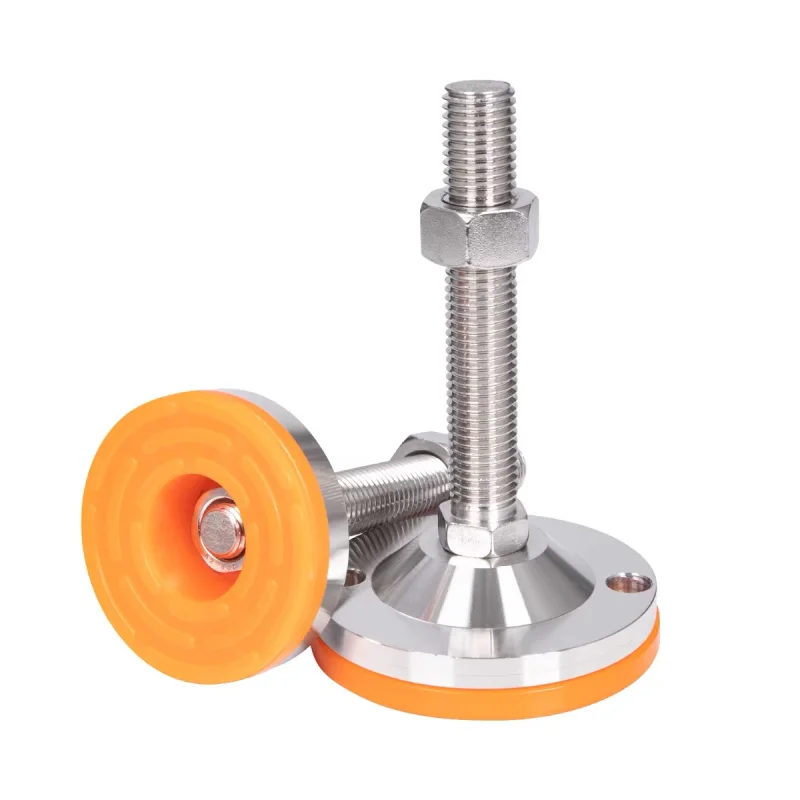
Learn how to specify stainless steel leveling feet using support loads, stem extension, floor pressure, pads and mounting requirements.
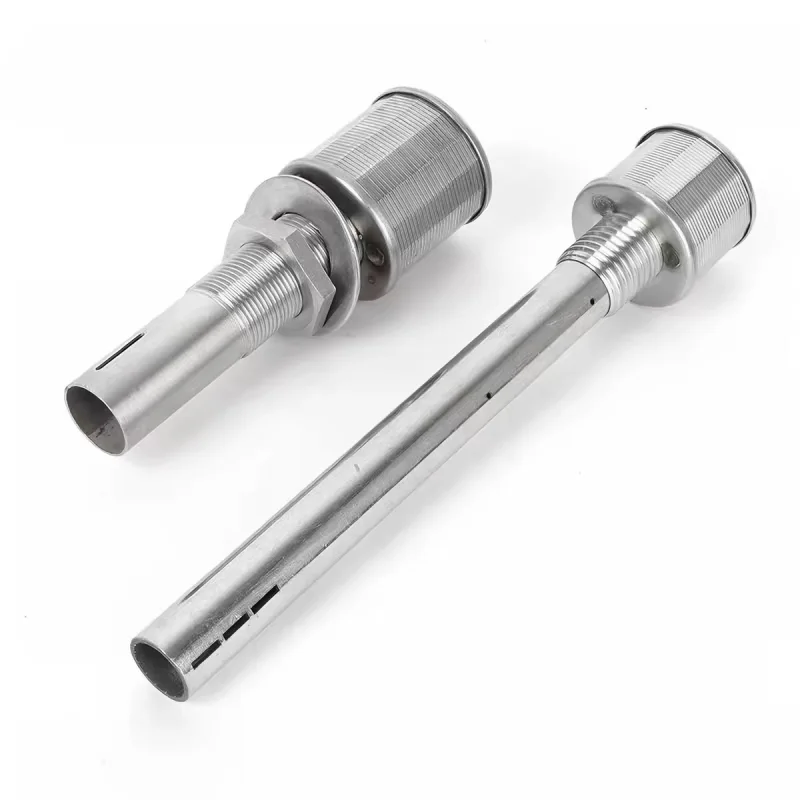
Specify wedge wire filter nozzles using media retention, slot tolerance, net open area, pressure drop, mounting details and backwash duty.
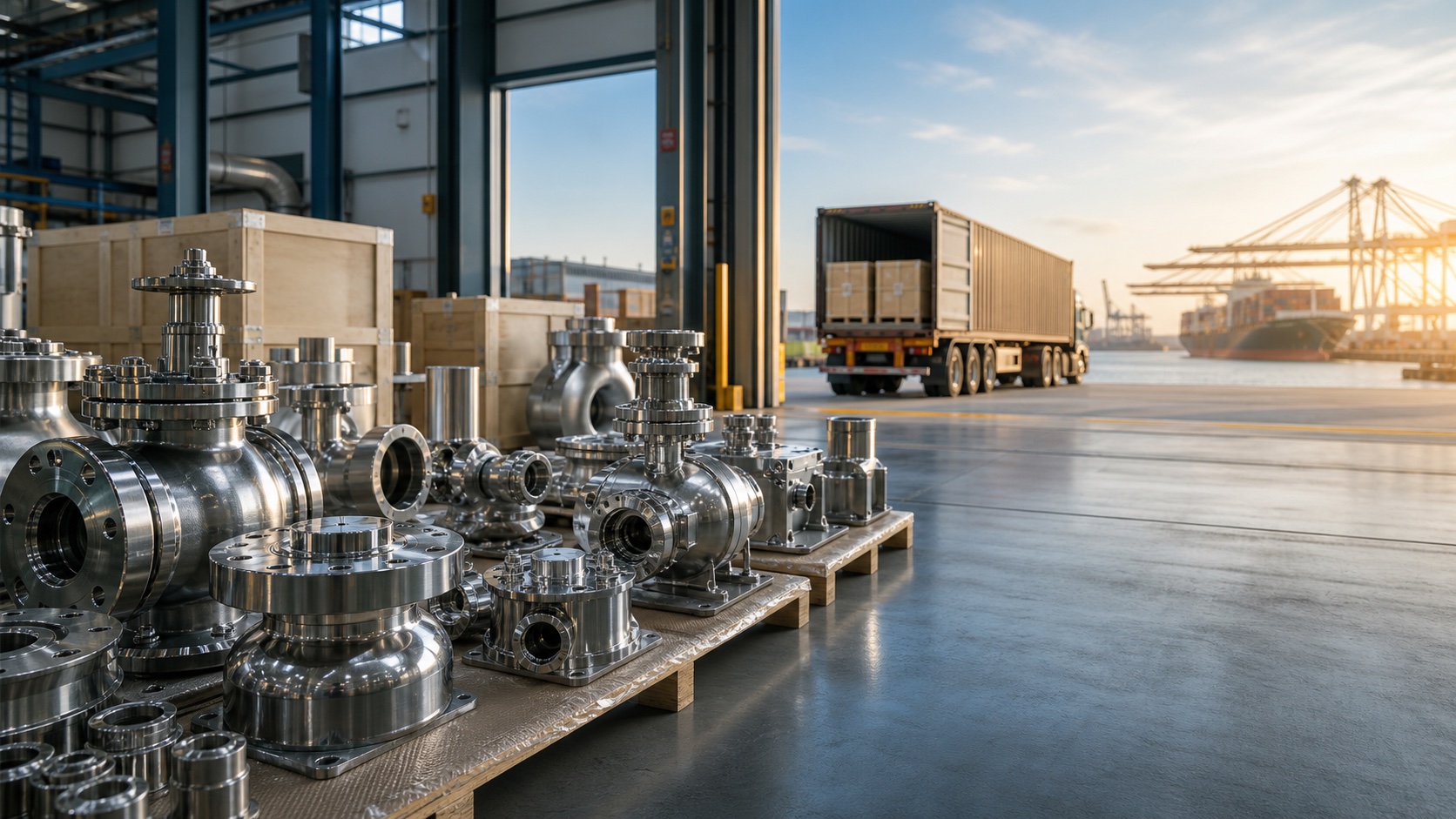
Learn why international buyers source stainless steel from China, how global delivery works, and the practical steps for quality, compliance and shipping.

The dimensional accuracy of castings is one of their key quality indicators, and casting dimensional tolerance standards serve as the objective basis for assessing this accuracy. AODSON Metal strictly adheres to the national standard GB/T6414-2017. For investment castings, the corresponding tolerance grade is selected based on the maximum nominal dimension, as follows: 1:When the maximum nominal dimension is ≤ 100, select grades DCTG4 through DCTG6. 2:100 < Maximum Nominal Dimension ≤ 400: Select Grade DCTG4 to DCTG8. 3:When the maximum nominal size exceeds 400, select grades DCTG4 through DCTG9. Casting Dimensional Tolerance (DCTG) Nominal Size Casting Dimensional Tolerance Grade (DCTG) and Corresponding Linear Dimension Tolerance Values Above Up to DCTG1 DCTG2 DCTG3 DCTG4 DCTG5 DCTG6 DCTG7 DCTG8 DCTG9 – 10 0.09 0.13 0.18 0.26 0.36 0.52 0.74 1 1.5 10 16 0.1 0.14 0.2 0.28 0.38 0.54 0.78 1.1 1.6 16 25 0.11 0.15 0.22 0.3 0.42 0.58 0.82 1.2 1.7 25 40 0.12 0.17 0.24 0.32 0.46 0.64 0.9 1.3 1.8 40 63 0.13 0.18 0.26 0.36 0.5 0.7 1 1.4 2 63 100 0.14 0.2 0.28 0.4 0.56 0.78 1.1 1.6 2.2 100 160 0.15 0.22 0.3 0.44 0.62 0.88 1.2 1.8 2.5 160 250 – 0.24 0.34 0.5 0.7 1 1.4 2 2.8 250 400 – – 0.4 0.56 0.78 1.1 1.6 2.2 3.2 400 630 – – – 0.64 0.9 1.2 1.8 2.6 3.6 630 1000 – – – 0.72 1 1.4 2 2.8 4 Casting Straightness Tolerance Nominal Size Casting Geometrical Tolerance Grade (GCTG) and Corresponding Straightness Tolerances Above Up to DCTG2 DCTG3 DCTG4 DCTG5 DCTG6 DCTG7 DCTG8 – 10 0.08 0.12 0.18 0.27 0.4 0.6 0.9 10 30 0.12 0.18 0.27 0.4 0.6 0.9 1.4 30 100 0.18 0.27 0.4 0.6 0.9 1.4 2 100 300 0.27 0.4 0.6 0.9 1.4 2 3 300…
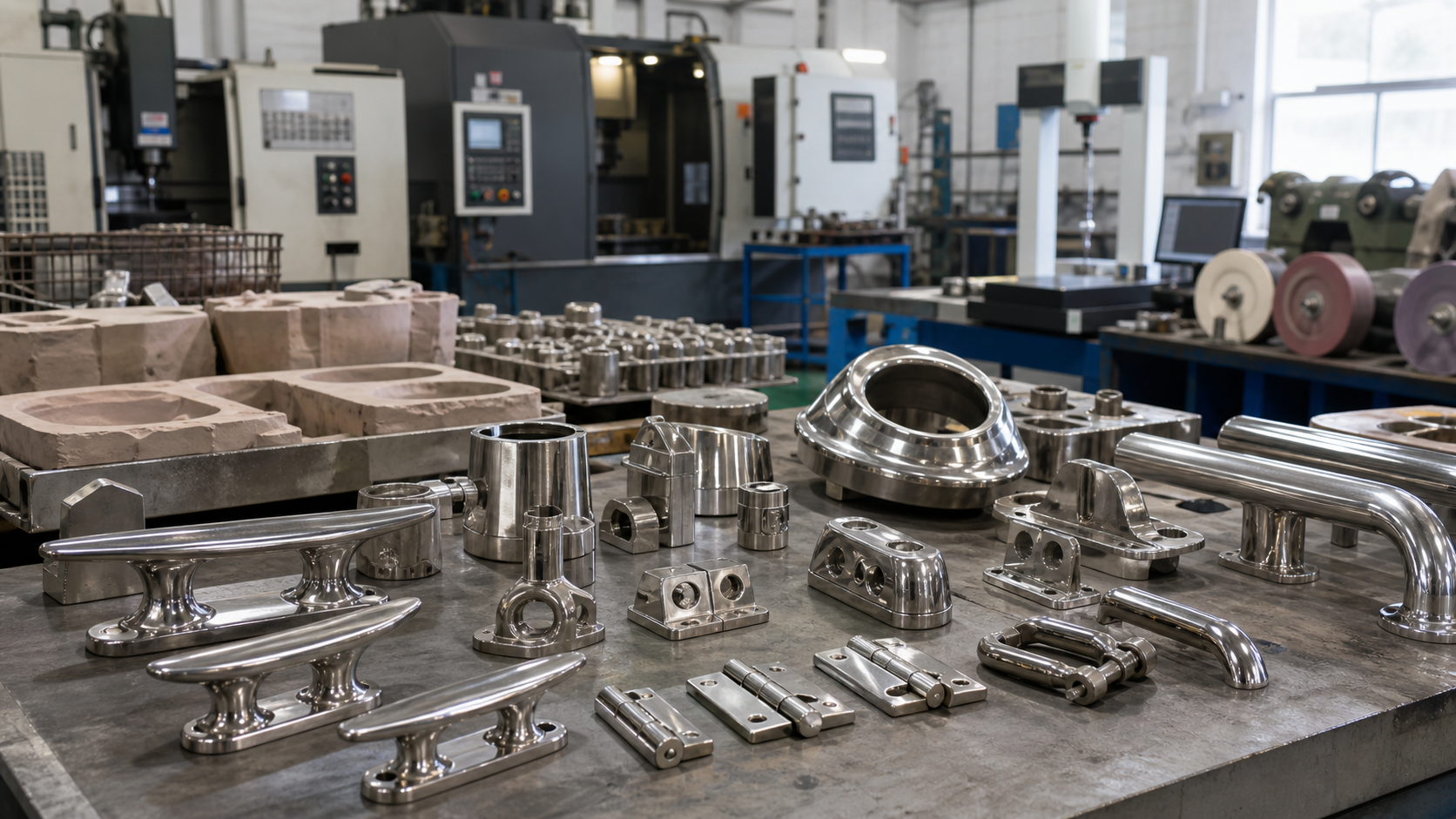
Marine hardware looks simple from the outside. A cleat, hinge, shackle, rail fitting, turnbuckle, deck plate, or custom bracket is often a small part on a boat, but it works in a very difficult environment: salt water, vibration, UV exposure, repeated loading, and tight installation space. For boat builders, hardware brands, distributors, and project contractors, the real challenge is not only buying a finished component. It is finding a manufacturing partner that can turn drawings or samples into stable, repeatable, export-ready parts. That is why one-stop marine hardware manufacturing services from China have become a practical option for many international buyers. When casting, machining, stamping, polishing, surface treatment, assembly, inspection, and packaging are coordinated under one supply chain, projects move faster and quality problems are easier to trace before shipment. What One-Stop Manufacturing Means in Marine Hardware In a real production project, “one-stop” should not mean a factory simply says yes to everything. It should mean there is a controlled process from technical review to final delivery. A reliable supplier will check the drawing, confirm the material, suggest a suitable process, build samples, inspect critical dimensions, manage finishing, and prepare packaging that protects polished or threaded surfaces during transport. For marine hardware, this is especially important because many parts combine appearance and function. A polished stainless steel deck fitting must look clean on the surface, but it also needs correct hole position, consistent thread quality, suitable strength, and good resistance to corrosion. If these steps are handled by separate suppliers without clear coordination, small errors can become expensive after assembly. Typical Marine Hardware Products We Can Support A one-stop manufacturing workflow is suitable for both standard and customized marine components. Common product groups include stainless steel boat cleats, hinges, hasps, hooks, shackles, eye plates, pad eyes, turnbuckles, handrail fittings, deck…
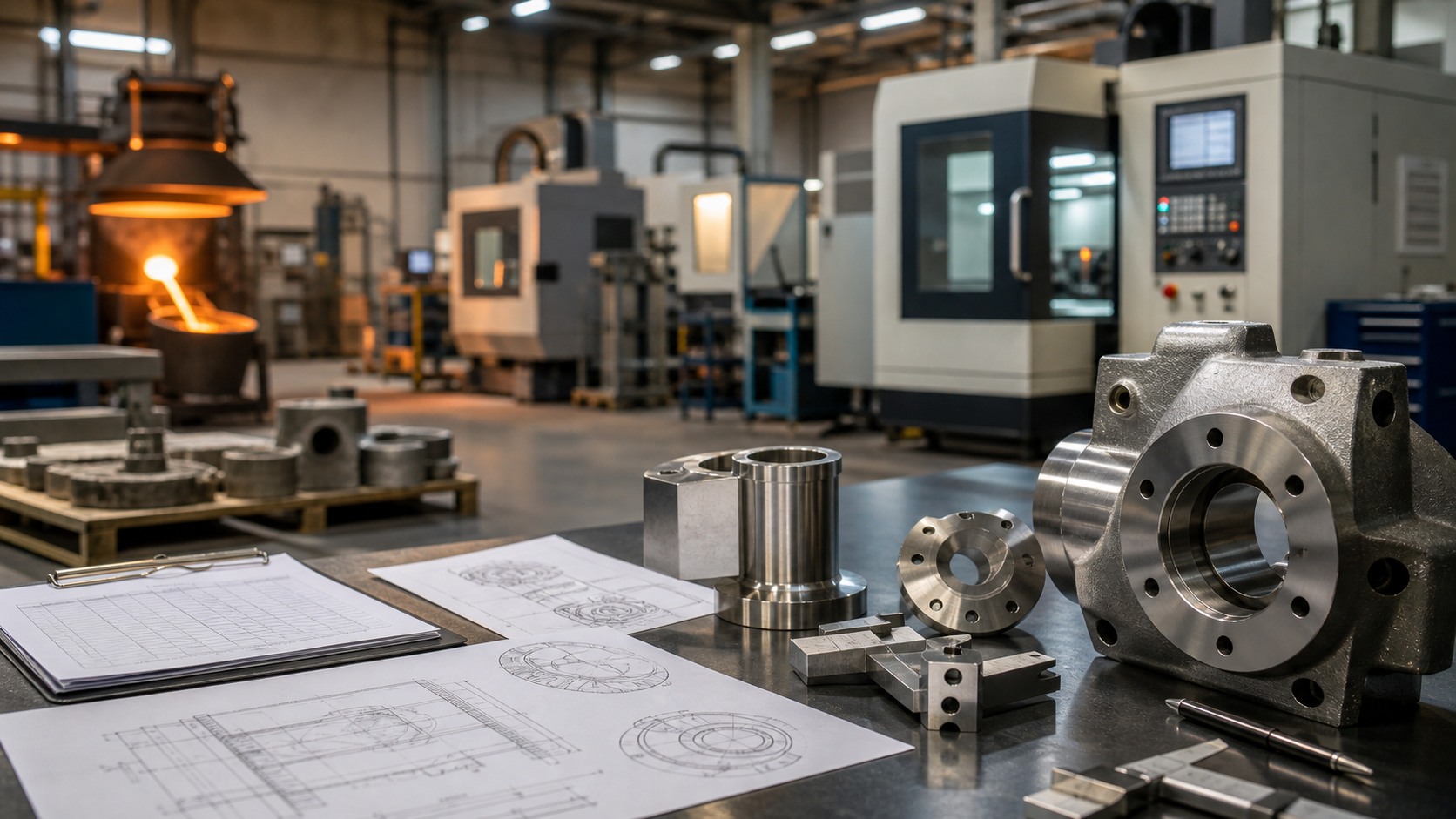
For industrial buyers, full-service casting and machining is not simply about making a metal part; it is about turning a technical drawing into a stable, repeatable, and inspection-ready component. Dimensional tolerance, material selection, surface finish, cost control, lead time, packaging, and documentation all have to move in the same direction. That is why AODSON approaches casting and machining as one connected manufacturing service. From early drawing review to investment casting, heat treatment, CNC machining, surface finishing, inspection, and delivery, our role is to help customers reduce handoffs, shorten development cycles, and receive parts that are ready for assembly or further integration. Understanding the Drawing Before Production Begins Every reliable project starts with a clear technical conversation. AODSON reviews customer drawings, 3D models, material specifications, tolerances, surface requirements, annual demand, and application conditions before production planning begins. This stage is not only about quoting a price. It is about identifying the best manufacturing route for the part. Some components are ideal for precision investment casting because the process can produce complex shapes, integrated features, and near-net profiles. Other areas may require CNC machining after casting to achieve tighter tolerances, accurate threads, flat sealing surfaces, or critical mounting dimensions. By evaluating the part as a complete manufacturing challenge, AODSON can suggest practical adjustments that support performance, manufacturability, and cost efficiency. Investment Casting for Complex Metal Components Precision casting is especially valuable when a part has complex geometry, internal or external curves, weight-saving shapes, or features that would be difficult to machine from solid bar or plate. AODSON’s casting capability supports a wide range of stainless steel and alloy components used in machinery, marine hardware, building hardware, pump systems, rigging, fasteners, and customized industrial assemblies. The process helps reduce material waste and can lower machining time by creating a near-net shape first. For…
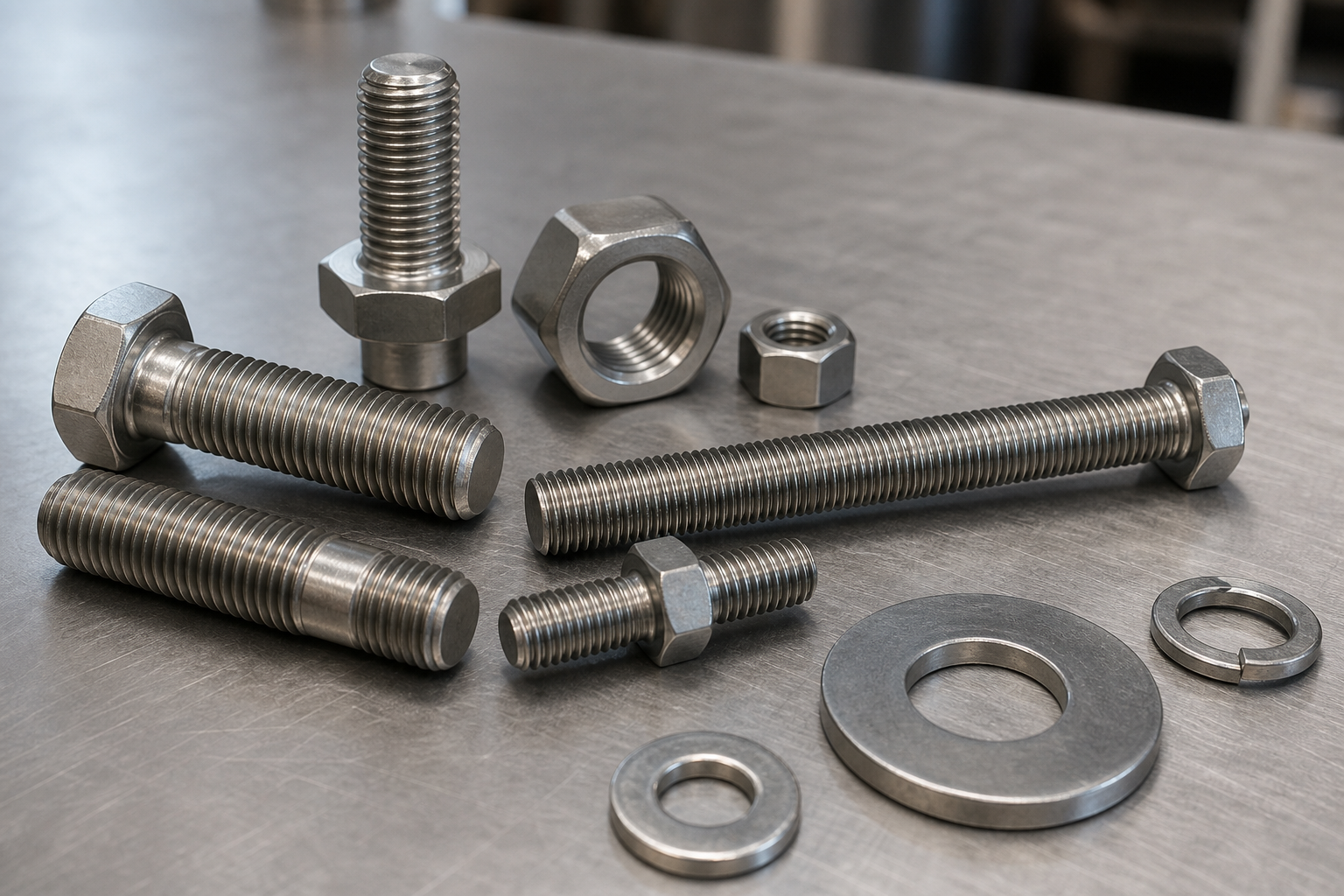
Aodson Metal is preparing to launch a new special-material fastener business on June 1, 2026, expanding its supply capability for customers who need reliable components in high-temperature, corrosive, and high-load environments. The new line will focus on nickel-based superalloy fasteners, including bolts, nuts, screws, studs, washers, and customized machined fastening parts. These materials are selected for applications where standard carbon steel or common stainless steel fasteners may not provide enough strength, oxidation resistance, or long-term stability. Built for Demanding Working Conditions Nickel-based alloys are widely used in operating environments that combine heat, pressure, chemical exposure, and mechanical stress. Aodson Metal’s fastener program is designed to support industries such as energy equipment, chemical processing, marine engineering, heat treatment systems, furnace equipment, pumps, valves, and high-performance machinery. Depending on customer requirements, the company will support commonly requested high-temperature and corrosion-resistant alloy grades, with production arranged around drawing specifications, thread standards, mechanical performance targets, and surface requirements. The goal is not only to provide a fastener that fits, but to provide a component that remains dependable throughout the service life of the equipment. From Material Selection to Finished Fastener Aodson Metal will combine its metalworking experience with controlled sourcing, machining, threading, inspection, and documentation support. For special-material fasteners, every detail matters: raw material traceability, dimensional tolerance, thread accuracy, surface condition, and packaging all affect how the part performs after installation. The upcoming business will support both standard sizes and made-to-order fasteners based on customer drawings or samples. For projects involving non-standard dimensions, special head types, close tolerance threads, or small-batch development, Aodson Metal will work with customers to review the technical requirements before production. Why This Matters for Customers Fasteners are often small parts, but in high-temperature equipment they can become critical safety and reliability components. When the working environment is severe, material…
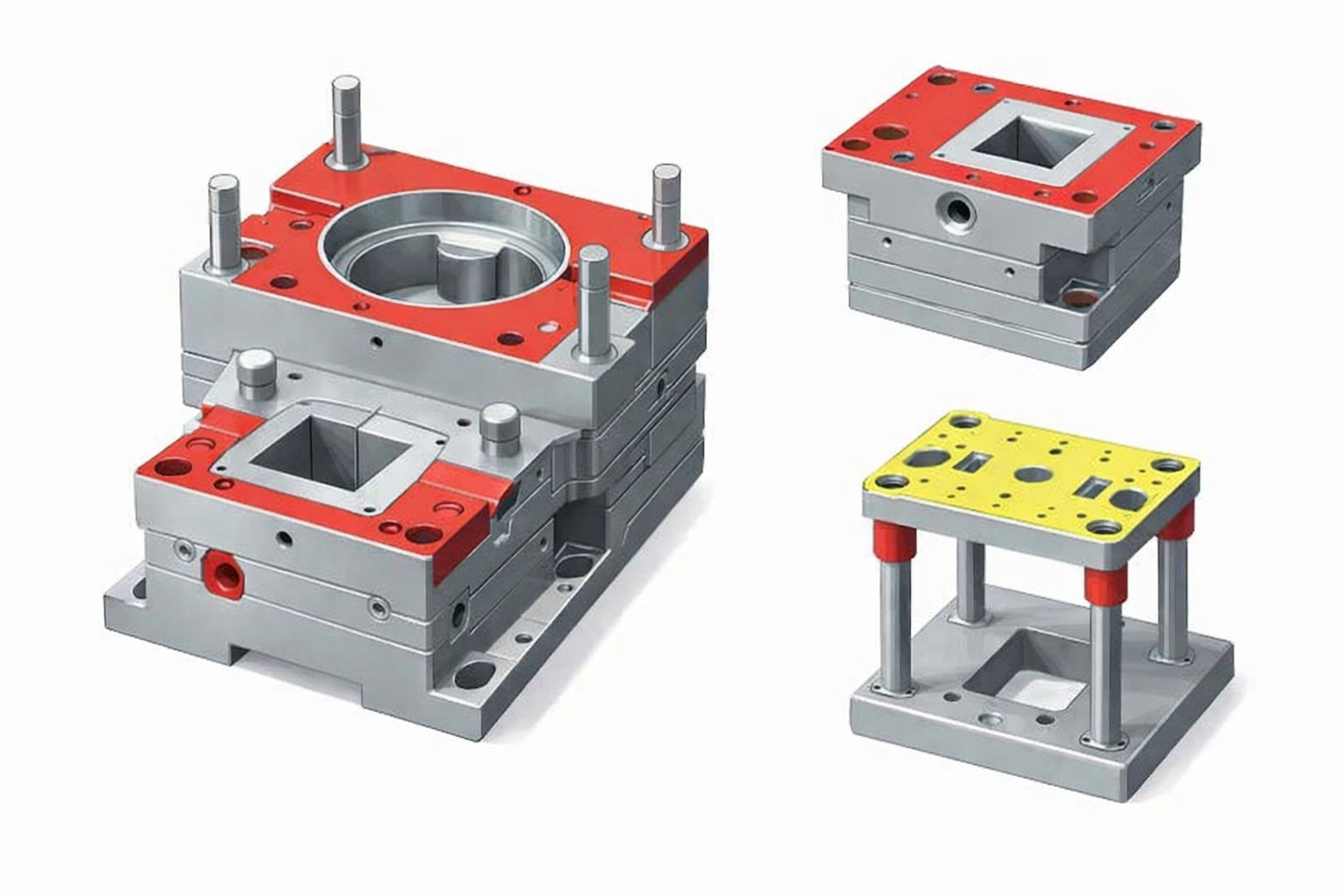
In today’s fast-paced industrial landscape, where precision, durability, and complex design are non-negotiable, precision casting (investment casting) stands as a transformative manufacturing technology. It turns intricate engineering visions into high-quality metal components with unmatched accuracy—making it indispensable across aerospace, automotive, medical, marine, and industrial machinery sectors. For global buyers seeking reliable, cost-effective, and custom precision casting solutions, Taizhou Aodson Metal Technology Co., Ltd. is your trusted one-stop partner. What Makes Precision Casting Indispensable? Precision casting (lost-wax casting) is celebrated for its ability to produce near-net-shape parts with exceptional dimensional accuracy (tolerance as tight as 0.01mm) and smooth surface finishes, minimizing post-processing. Its core advantages include: From aerospace turbine blades enduring 1,100°C heat to medical implants requiring biocompatibility, and from marine hardware resisting saltwater corrosion to automotive turbocharger components boosting efficiency—precision casting powers innovation across industries. Taizhou AODSON Metal Technology: Your Precision Casting Manufacturing Partner With 10+ years of expertise (since 2015) and a focus on silica sol investment casting, AODSON Metal (formerly Haijin Stainless Steel) has established itself as a leading OEM/ODM manufacturer serving clients worldwide. Here’s why global partners choose us: 1. Unrivaled Technical & Production Capacity 2. Material Expertise for Every Industry We specialize in custom casting with a vast material portfolio, tailored to your application: 3. Industry-Proven Applications Our components empower critical sectors globally: 4. Quality & Cost Advantage Why Choose AODSON as Your Global Partner? In a competitive global market, you need a supplier that combines technical mastery, reliable delivery, and cost efficiency. AODSON Metal: Ready to Elevate Your Manufacturing? Whether you need complex custom castings, high-volume production, or end-to-end metal component solutions, Taizhou Aodson Metal Technology delivers precision you can trust. Let’s turn your design into a high-performance reality. Contact us today for a free quote, technical consultation, or sample request: Precision casting isn’t just…